 Shop now
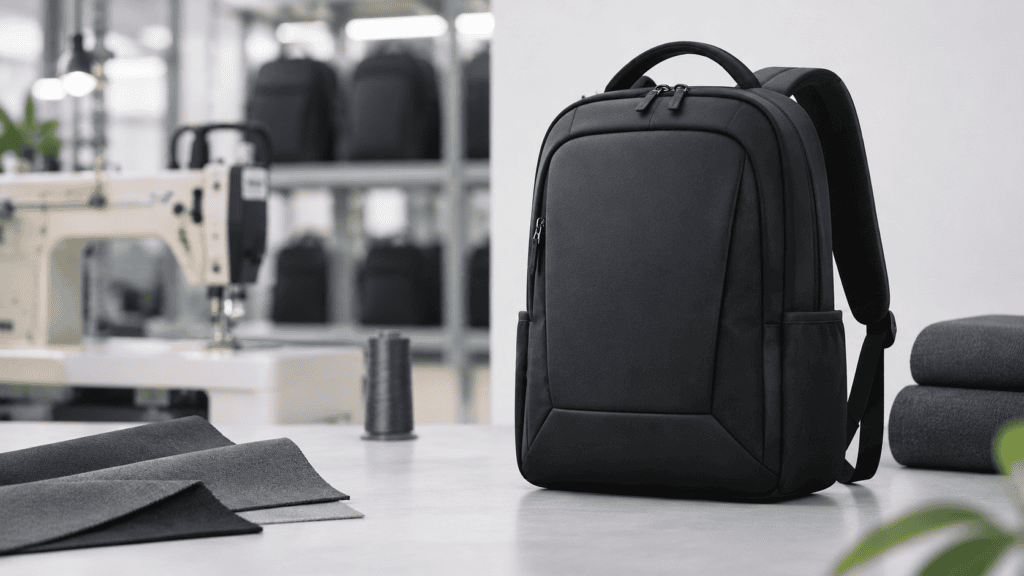
Planning a bulk backpack order? Learn about MOQ, materials, sampling, lead times, quality checks and costs before you choose a manufacturer.
Ordering backpacks in bulk sounds easy. Pick a design, add your logo, pay for a big batch, done. But anyone who has been through it knows that bulk backpack manufacturing has plenty of places where a small slip can cost you lakhs. One weak zipper, one wrong fabric or one missed deadline, and your brand takes the hit before the first customer has even carried the bag.
So here’s what businesses should know before placing a bulk backpack order. It should help you pick the right manufacturer and avoid the usual surprises.
Who orders backpacks in bulk?
Bulk buyers come from very different worlds, and each one cares about different things.
Schools and institutions: want tough, uniform school bags in several sizes
Corporates: need laptop backpacks for employee kits, events and client gifts
Retail brands and e-commerce sellers: want private label backpacks that fit their brand
Travel and adventure companies: need trekking and travel backpacks with strong stitching
Before you speak to any manufacturer, work out which group you fall into. It shapes your material, your budget and your order size.
1. Understand the minimum order quantity (MOQ)
MOQ is the smallest number of pieces a factory is willing to make for one design. It varies a lot across the industry. Some Indian manufacturers advertise around 100 pieces per style, while many overseas factories begin at 500 pieces or more.
Things get pricier, and the MOQ often goes up, when you ask for custom fabric, special zippers, woven labels or branded packaging. So it’s worth asking:
Is the MOQ per design, per colour or per order?
Does it change if I customise the fabric or hardware?
Can I start with a smaller trial order?
At Mantax Lifestyle, we share our MOQ details when you request a quote [add your actual MOQ here].
2. Choose the right materials
The material decides how long your backpack lasts and how it feels in the hand. These are the usual choices:
Polyester (600D to 900D): affordable, light and easy to print on
Nylon: stronger and harder to tear, a good fit for travel and trekking
Canvas: a premium look, popular for lifestyle and promotional bags
Recycled PET fabric: works well if you want a sustainability story for your brand
If you’re in Kerala looking for backpack manufacturer or any other humid region, ask about water-resistant coating, rust-proof zippers and a lining that resists mould. A bag that looks perfect in a showroom can fall apart in one monsoon season.
And please ask for fabric swatches before you approve bulk production.
3. Decide between OEM, ODM and private label
People mix these terms up all the time, so here’s the simple version.
OEM (original equipment manufacturing): you bring the design and specifications, and the factory makes it
ODM (original design manufacturing): the factory offers a ready-made design, and you add your branding
Private label: the bag is sold under your brand name, whether it was made through OEM or ODM
Got a design team? OEM gives you full control. Want to launch quickly? ODM, or a lightly modified existing design, saves both time and money.
4. Prepare a clear product brief
A clear brief means a more accurate quote and fewer rounds of revisions. Try to include:
The type of backpack and what it’s for (school, laptop, travel, promotional)
Size, capacity and number of compartments
Laptop size or the load it should carry
Material and colour preferences
Zipper, strap and padding needs
Logo method and position
Target quantity and delivery date
5. Never skip sampling
If you remember only one step from this guide, make it this one. A digital mockup can’t tell you how a strap feels under weight or whether a zipper runs smoothly. Only a real sample can.
The usual process goes like this:
Pattern and design confirmation
Pre-production sample
Your feedback and corrections
Final approved sample, which becomes the reference for bulk production
Keep that approved sample somewhere safe. If the bulk order turns out different, you’ll have something solid to point to. Sample timelines vary from factory to factory, so confirm them at the start.
6. Check the quality control process
Don’t just ask whether the manufacturer checks quality. Ask when. The best factories check at every stage, not only at the end. Good checks include:
Fabric inspection before cutting
Stitch strength and seam checks
Zipper function and pull tests
Strap and handle load tests
Logo and print quality checks
Final inspection before packing
If you can, visit the factory or ask for photos and videos of the production line. This is far easier with a local manufacturer than with an overseas supplier.
7. Understand lead time
Lead time is the time period between your approved sample and your delivery. It depends on order size, material availability, how complex the design is and how busy the factory is at that moment. Plan well ahead of your event, school season or product launch, and leave a buffer for transport.
Get the production schedule in writing. A verbal promise won’t help you much later.